


Page 24 - Policy Economic Report -August 2026
P. 24
POLICY AND ECONOMIC
                 OIL & GAS MARKET

             combined level. Inflation in actual rental payments made for housing was 2.11 per cent, while electricity,
             gas and other fuels recorded inflation of 2.02 per cent.

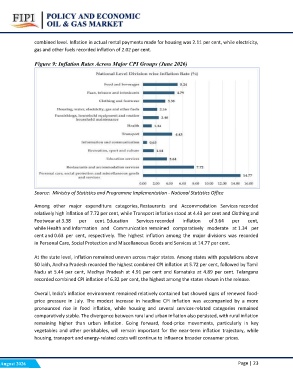
             Figure 9: Inflation Rates Across Major CPI Groups (June 2026)

             Source: Ministry of Statistics and Programme Implementation - National Statistics Office

             Among other major expenditure categories, Restaurants and Accommodation Services recorded
             relatively high inflation of 7.72 per cent, while Transport inflation stood at 4.43 per cent and Clothing and
             Footwear at 3.38 per cent. Education Services recorded inflation of 3.64 per cent,
             while Health and Information and Communication remained comparatively moderate at 1.34 per
             cent and 0.63 per cent, respectively. The highest inflation among the major divisions was recorded
             in Personal Care, Social Protection and Miscellaneous Goods and Services at 14.77 per cent.

             At the state level, inflation remained uneven across major states. Among states with populations above
             50 lakh, Andhra Pradesh recorded the highest combined CPI inflation at 5.72 per cent, followed by Tamil
             Nadu at 5.44 per cent, Madhya Pradesh at 4.91 per cent and Karnataka at 4.89 per cent. Telangana
             recorded combined CPI inflation of 6.32 per cent, the highest among the states shown in the release.

             Overall, India's inflation environment remained relatively contained but showed signs of renewed food-
             price pressure in July. The modest increase in headline CPI inflation was accompanied by a more
             pronounced rise in food inflation, while housing and several services-related categories remained
             comparatively stable. The divergence between rural and urban inflation also persisted, with rural inflation
             remaining higher than urban inflation. Going forward, food-price movements, particularly in key
             vegetables and other perishables, will remain important for the near-term inflation trajectory, while
             housing, transport and energy-related costs will continue to influence broader consumer prices.

August 2026  Page | 23

