


Page 14 - Policy Economic Report -August 2026
P. 14
POLICY AND ECONOMIC
                 OIL & GAS MARKET

             and import costs into domestic prices. Similarly, the ADB projects inflation in Developing Asia and the
             Pacific at 4.3 per cent in 2026, before moderating to 3.4 per cent in 2027 as energy markets gradually
             stabilize and supply-chain disruptions ease.

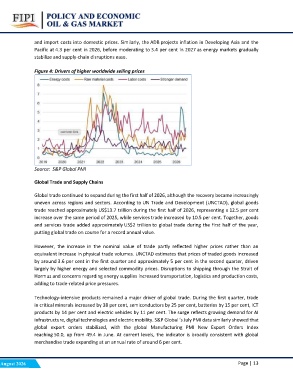
             Figure 4: Drivers of higher worldwide selling prices

             Source: S&P Global PMI

             Global Trade and Supply Chains

             Global trade continued to expand during the first half of 2026, although the recovery became increasingly
             uneven across regions and sectors. According to UN Trade and Development (UNCTAD), global goods
             trade reached approximately US$13.7 trillion during the first half of 2026, representing a 12.5 per cent
             increase over the same period of 2025, while services trade increased by 10.5 per cent. Together, goods
             and services trade added approximately US$2 trillion to global trade during the first half of the year,
             putting global trade on course for a record annual value.

             However, the increase in the nominal value of trade partly reflected higher prices rather than an
             equivalent increase in physical trade volumes. UNCTAD estimates that prices of traded goods increased
             by around 3.6 per cent in the first quarter and approximately 5 per cent in the second quarter, driven
             largely by higher energy and selected commodity prices. Disruptions to shipping through the Strait of
             Hormuz and concerns regarding energy supplies increased transportation, logistics and production costs,
             adding to trade-related price pressures.

             Technology-intensive products remained a major driver of global trade. During the first quarter, trade
             in critical minerals increased by 38 per cent, semiconductors by 25 per cent, batteries by 15 per cent, ICT
             products by 14 per cent and electric vehicles by 11 per cent. The surge reflects growing demand for AI
             infrastructure, digital technologies and electric mobility. S&P Global ‘s July PMI data similarly showed that
             global export orders stabilized, with the global Manufacturing PMI New Export Orders Index
             reaching 50.0, up from 49.4 in June. At current levels, the indicator is broadly consistent with global
             merchandise trade expanding at an annual rate of around 6 per cent.

August 2026  Page | 13

