


Page 10 - Policy Economic Report - September 2026
P. 10
POLICY AND ECONOMIC
                    OIL & GAS MARKET

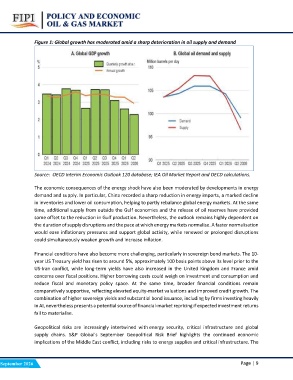
                Figure 1: Global growth has moderated amid a sharp deterioration in oil supply and demand

                Source: OECD Interim Economic Outlook 120 database; IEA Oil Market Report and OECD calculations.

                The economic consequences of the energy shock have also been moderated by developments in energy
                demand and supply. In particular, China recorded a sharp reduction in energy imports, a marked decline
                in inventories and lower oil consumption, helping to partly rebalance global energy markets. At the same
                time, additional supply from outside the Gulf economies and the release of oil reserves have provided
                some offset to the reduction in Gulf production. Nevertheless, the outlook remains highly dependent on
                the duration of supply disruptions and the pace at which energy markets normalise. A faster normalisation
                would ease inflationary pressures and support global activity, while renewed or prolonged disruptions
                could simultaneously weaken growth and increase inflation.

                Financial conditions have also become more challenging, particularly in sovereign bond markets. The 10-
                year US Treasury yield has risen to around 5%, approximately 100 basis points above its level prior to the
                US-Iran conflict, while long-term yields have also increased in the United Kingdom and France amid
                concerns over fiscal positions. Higher borrowing costs could weigh on investment and consumption and
                reduce fiscal and monetary policy space. At the same time, broader financial conditions remain
                comparatively supportive, reflecting elevated equity-market valuations and improved credit growth. The
                combination of higher sovereign yields and substantial bond issuance, including by firms investing heavily
                in AI, nevertheless presents a potential source of financial-market repricing if expected investment returns
                fail to materialise.

                Geopolitical risks are increasingly intertwined with energy security, critical infrastructure and global
                supply chains. S&P Global's September Geopolitical Risk Brief highlights the continued economic
                implications of the Middle East conflict, including risks to energy supplies and critical infrastructure. The

September 2026                                                                                             Page | 9

