
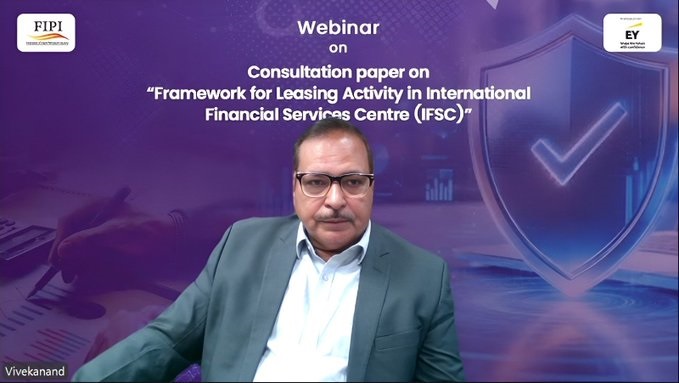
Shri Vivekanand, Director (Finance, Taxation & Legal), FIPI, in his opening remarks, warmly welcomed the eminent speakers from EY India and all distinguished participants
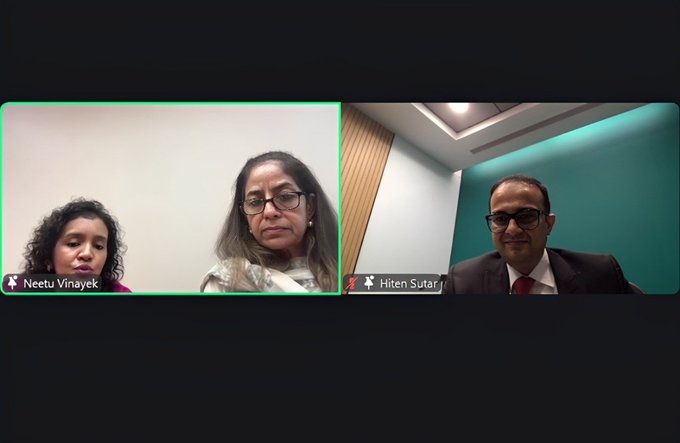
Eminent speakers from EY India - Ms. Neetu Vinayek, Partner; Mr. Hiten Sutar, Partner Direct Tax and Ms. Uma Iyer, Partner Indirect Tax, delivered an insightful presentation on the proposed framework and its potential to strengthen GIFT IFSC as a global leasing hub.
24-August-2026
Mr. Vivekanand, Director (Finance, Taxation & Legal), FIPI began the session with the opening remarks. He mentioned that the webinar was organised by FIPI for a timely industry consultation on the draft Framework for Leasing Activity in the IFSC (GIFT City), with the objective of helping industry participants understand the proposed framework and submit their comments before the 2nd September 2026 deadline. He further said that the draft seeks to consolidate existing standalone leasing models into a single, multi-asset regulatory framework, while introducing opportunities such as oilfield equipment leasing and SPV-based structures. Given the capital-intensive nature of sectors such as aviation, shipping and oil & gas, the framework would enable high-value assets to be leased from India rather than overseas, potentially reducing foreign-exchange outflows and strengthening GIFT IFSC as a global leasing hub. He mentioned that today’s webinar is vital with a focus on understanding the key features, tax and regulatory implications of the draft and capturing industry views to help make the proposed framework more flexible, predictable and globally competitive.
Ms. Neetu Vinayek, Partner & Tax Leader in Oil & Gas and Infrastructure sector, EY India began with an overview of the evolution of GIFT City and IFSC. India’s concept of an International Financial Services Centre originated with the Percy Mistry Committee Report in 2007, followed by the enactment of the IFSCA Act in 2019 and establishment of IFSCA as the unified regulator in April 2020. GIFT IFSC provides a platform for inbound and outbound investments and brings regulatory functions of RBI, SEBI, IRDAI and PFRDA under a single framework. It is positioned as a global financial centre with an integrated financial-services ecosystem. She highlighted that leasing activities in IFSC have evolved significantly. While aircraft and ship leasing were already permitted, oilfield equipment leasing was notified in January 2026. The proposed consolidated framework seeks to bring aircraft, ship and oilfield equipment leasing within a common regulatory framework. As of 31 March 2026, the IFSC ecosystem had 35 aircraft lessors with 373 leased assets and 36 ship lessors with 37 leased assets, demonstrating the growing importance of leasing activities in GIFT IFSC.
She then talked about the direct and indirect tax benefits available to IFSC entities. IFSC units can avail a tax holiday for 20 consecutive years out of the first 25 years of operation, while interest payments to non-residents are tax-free. A concessional MAT/AMT rate of 9% is also available under specified circumstances. She further mentioned that certain additional tax benefits currently available to ship and aircraft leasing entities are not available to oilfield equipment leasing entities. These include exemptions relating to royalty income and capital gains on transfer of shares. It was suggested that industry representations may be made to extend these benefits to oilfield equipment leasing.
Ms. Uma Iyer, Partner in Indirect Tax, EY India highlighted that from an indirect tax perspective, imports of goods for authorised operations are exempt from Basic Customs Duty and IGST, while lease rentals paid to non-residents do not attract GST under reverse charge for an IFSC entity.
Regarding eligibility of an applicant/lessor, Mr. Hiten Sutar, Partner in Direct Tax, EY India, mentioned that the framework introduces requirements relating to infrastructure, manpower, FATF compliance, fit-and-proper criteria, economic substance and minimum owned funds. The minimum owned-fund requirement is USD 0.2 million for operating leases and USD 3 million for financial leases, while SPVs are subject to the amount prescribed under the Companies Act, 2013. He further stated that the proposed framework permits both operating leases and financial leases and provides for structures such as companies, branches of companies incorporated outside IFSC, and LLPs for operating leases. It also enables an SPV structure for specific assets costing USD 10 million or more per asset. He also added that operations are required to commence within six months of registration, with a one-time extension of up to three months.
He also highlighted restrictions intended to prevent round-tripping of domestic assets into IFSC. Where an eligible asset acquired from an Indian resident is intended solely for use by or provision of services to an Indian resident within the same financial year, restrictions may apply. Therefore, he said that the practical implications of these provisions for oil and gas business models require careful assessment.
Ms. Neetu Vinayek then mentioned the key steps forward for the industry which included: extending additional tax benefits available to ship and aircraft leasing to oilfield equipment; evaluating company-specific business models and the suitability of SPV structures; examining indirect tax and customs-related amendments; and expanding the notified equipment list to cover additional oil and gas and heavy-capital infrastructure equipment. She said that the consultation process was still underway and suggestions are invited by IFSCA up to 2 September 2026.
Lastly, she concluded by highlighting that this webinar served not only to explain the proposed framework but also to identify areas where the oil and gas industry could collectively provide recommendations to make the leasing regime more commercially viable, flexible and aligned with the sector's operational requirements.
Ms. Neetu Vinayek, Mr. Hiten Sutar, and Ms. Uma Iyer then conducted the Q&A session and provided their views and opinions on various queries posted by participants.
Lastly, FIPI complimented the EY team for an elaborative presentation on providing framework for Leasing Activity in International Financial Services Centre (IFSC). FIPI also thanked the participants from the energy industry for their active and interactive participation during the event.
Webinar on Consultation paper on “Framework for Leasi..
Global Energy Leadership Dialogue - 'Energy Security Re..
Webinar on Recent Judicial Developments in Internationa..
Webinar on API Low Carbon Standards ..
14th Annual Convention of FIPI Student Chapters ..
Webinar on Oilfield Equipment Leasing- a permissible ac..
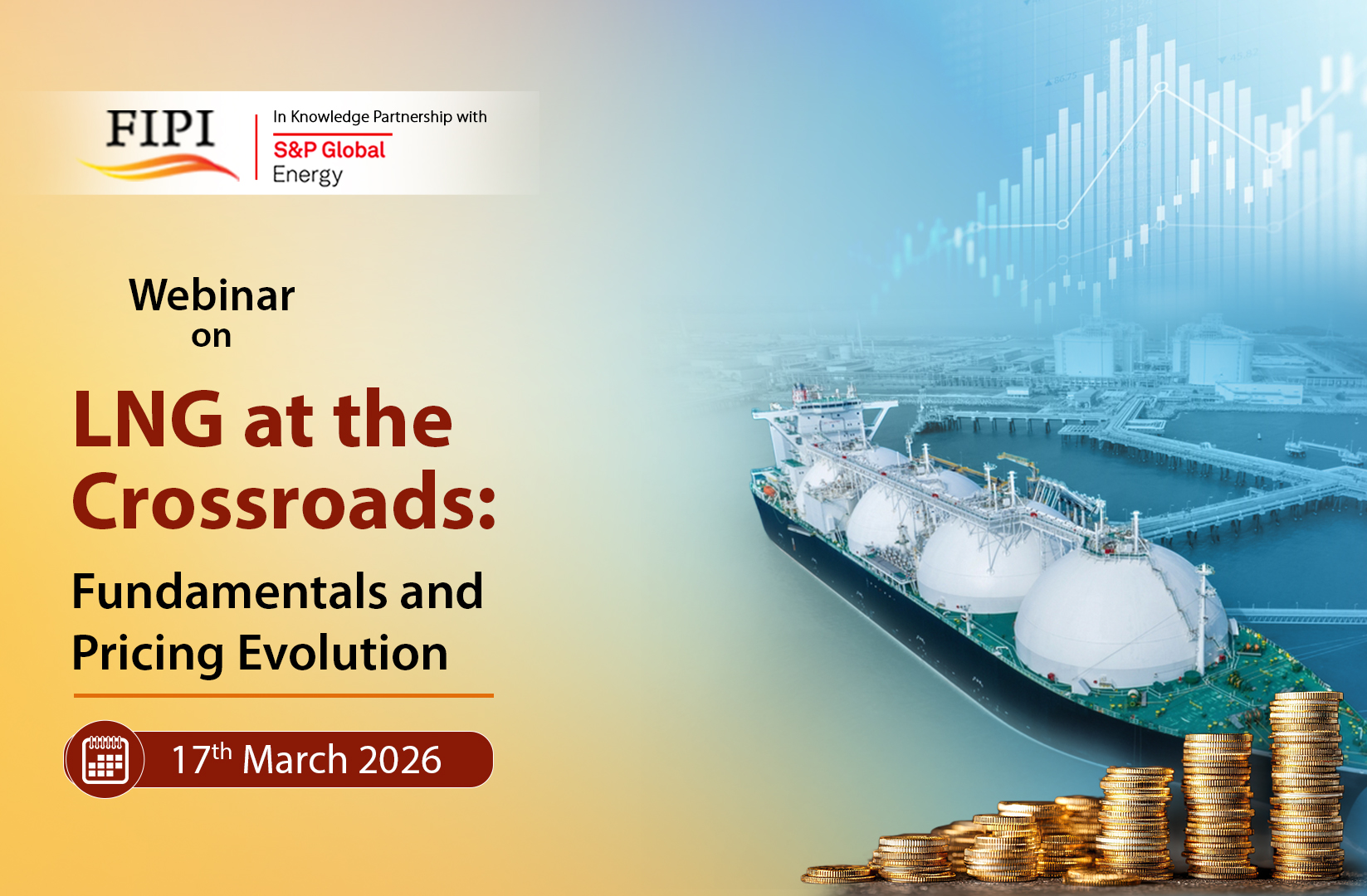
Webinar on “LNG at the Crossroads: Fundamentals and P..
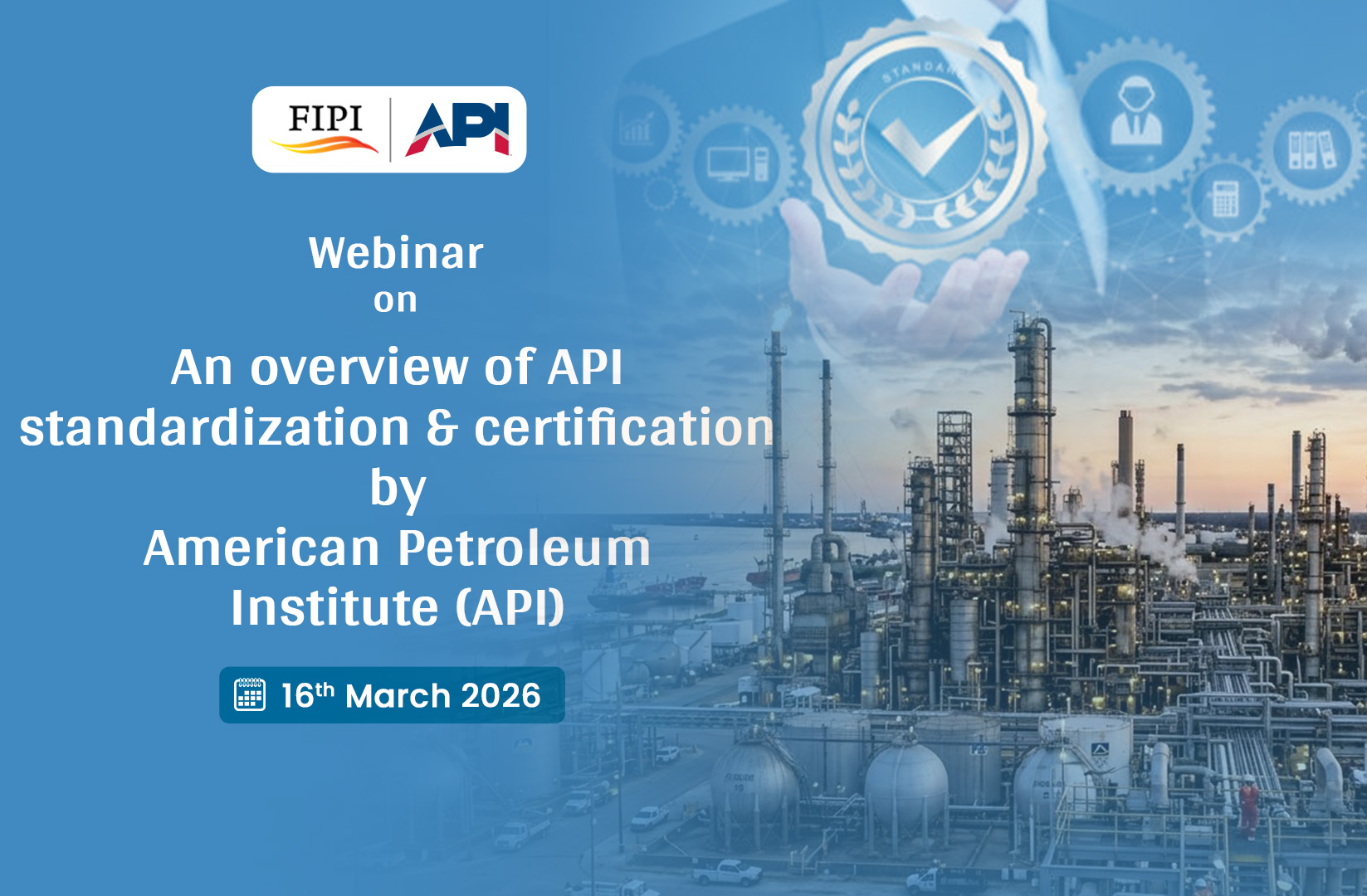
Webinar on An overview of API standardization and certi..
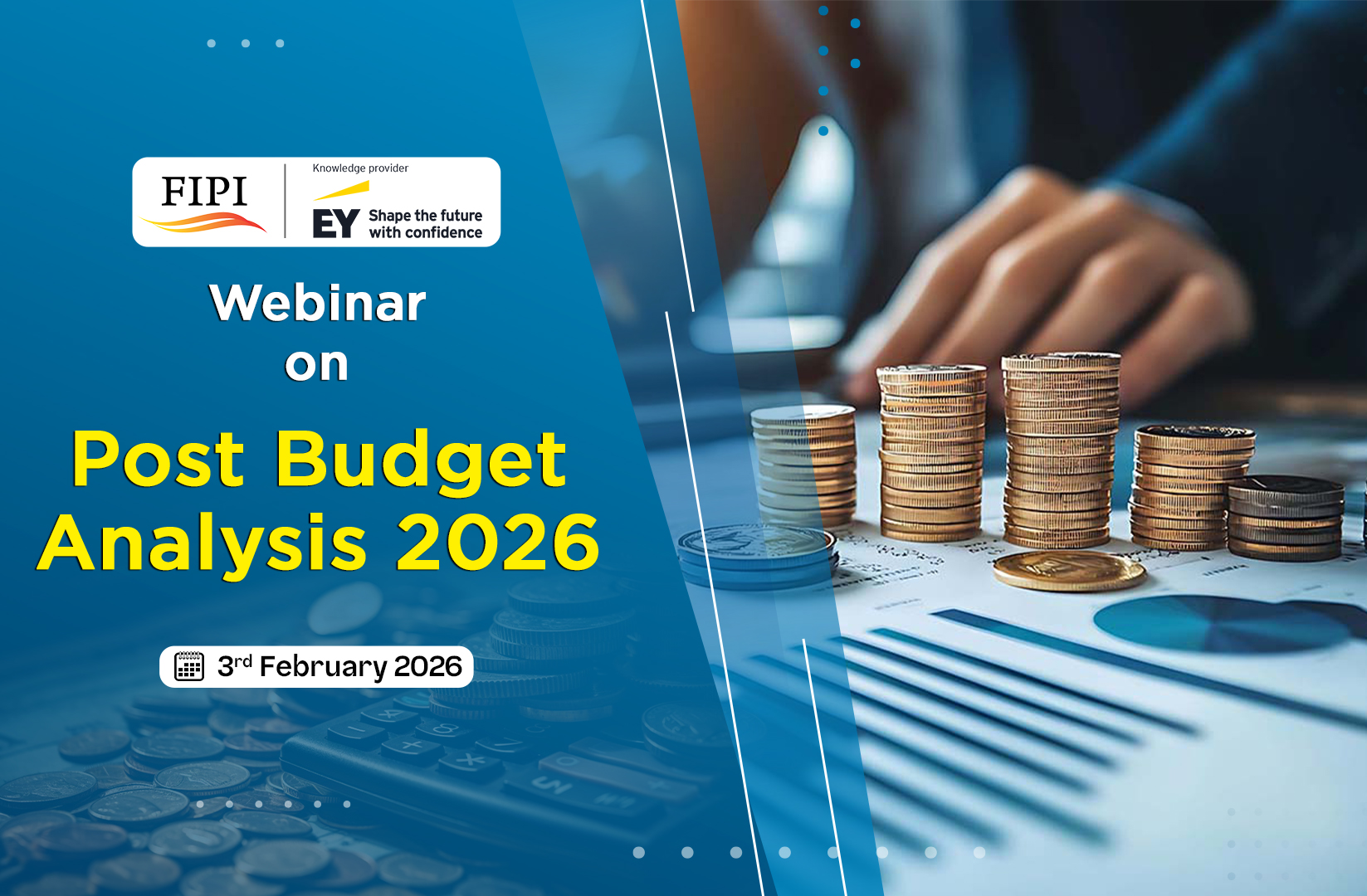
FIPI Post Budget Analysis 2026..
FIPI Annual Awards 2024-25- A Glimpse of Winners..